There is more folklore about lip filler than almost any other cosmetic treatment. Some of it comes from celebrity before-and-after photos, some from rushed appointments or bargain deals gone wrong, and some from simple confusion about what modern injectables can and cannot do. I have treated thousands of lips over the years, from patients in their early twenties chasing subtle lip enhancement to sixty-somethings restoring definition that time chipped away. When you see that many faces, patterns emerge. So do the myths.
What follows is a clear-eyed look at lip fillers and lip plumper injections, grounded in everyday practice and the science behind hyaluronic acid gels. I will separate common fears from practical realities, explain where results go right or sideways, and share what to ask a provider when you book a lip filler consultation. No drama, just useful detail.
What lip filler actually is
Most lip augmentation today relies on hyaluronic acid gels. Hyaluronic acid, or HA, is a sugar our bodies already make. It binds water, which is why HA gels plump and hydrate tissue. In medical form, the HA is crosslinked into a soft gel that lasts longer than our natural HA. Different manufacturers tweak the crosslinking and particle size, creating gels that feel and behave differently once injected.
In lips, that nuance matters. A gel designed for cheeks can look stiff and shelf-like in a philtral column. A silky gel meant for fine lines may melt away too quickly under the mechanical stress of talking and eating. Matching product to technique and anatomy is the quiet part of good lip filler treatment.
When people say lip plumper injections, they usually mean HA lip filler. There are other ways to increase lip volume, such as fat transfer, but those are uncommon for first-time patients and carry different risks. The safest, most adjustable option for most people is still hyaluronic acid lip filler.
Myth: “Lip fillers always look fake”
The filler does not make lips look fake. Overfilling, poor placement, and ignoring a patient’s natural lip architecture create the ducky, inflated look everyone fears. I have patients whose friends never guess they had lip augmentation because the result mirrors their anatomy: a bow with crisp edges, body where the lip wants it, and a soft taper at the corners.
Anecdote: I once treated a news anchor who had been told her lips were “too animated” for filler. We built in stages, 0.4 mL at the first visit using a flexible, low-projection gel, then 0.2 mL six weeks later for gentle definition. Her viewers commented that her lip color suddenly looked better on camera. No one commented on filler, which is the point.
If you want natural looking lip fillers, bring a photo of your lips from a few years earlier, ideally when they had more shape. We are trying to echo your own proportions, not paste on someone else’s.
Fact: Technique and restraint trump brand choice
Patients often ask for the best lip filler as if one syringe rules them all. In reality, the “best” depends on lip thickness, vermilion height, a patient’s animation pattern, and goals. For subtle lip filler in a thin, delicate lip, a low-viscosity HA with smooth integration handles well. For more robust volume or lip reshaping treatment where structure is needed, a slightly firmer HA provides lift. The brand matters less than the injector’s eye and the plan for placement.
Think of it this way: a violinist can make many violins sing, but give a bad musician a Stradivarius and the result still grates.
Myth: “Filler stretches the lips and ruins them permanently”
HA filler does not stretch lips into oblivion when used in reasonable amounts. The lip skin is elastic. If you place modest volumes and space out touch-ups, the tissue tolerates it well. The main culprits behind stretched, lax lips are long-term overfilling and chronic swelling from poorly placed product. If you hammer the lip with frequent large volumes, yes, the tissue can look heavy and flat once the gel dissipates. A safe lip filler strategy avoids this by building gradually, not chasing transient swelling, and letting tissue recover.
When a patient arrives with ballooned lips, we reverse strategy: dissolve with hyaluronidase, let the lips settle, and rebuild with a lighter hand using lip contouring filler that supports shape rather than bulk.
Fact: Swelling and bruising are common but manageable
Lips are vascular and mobile. Even a careful lip fillers procedure irritates tissue. Expect swelling for 24 to 72 hours, peaking the morning after. Bruising varies. Some people barely spot, others bruise easily despite meticulous technique. I advise planning social events 3 to 7 days after a lip filler appointment if you want to be safe.
You can stack the odds in your favor. Skip alcohol the day before and after. Avoid aspirin and high-dose fish oil for a week if your doctor agrees. Follow your provider’s lip filler aftercare: cool compresses in short intervals for the first day, head elevated when you sleep, gentle balm, no vigorous exercise for 24 hours. If you rely on your voice for work, accept that the lips will feel stiff and “present” for two days. That sensation fades as swelling drops.
Myth: “Topical plumpers do the same thing”
Lip plumping treatment in a tube uses irritants like pepper or menthol to draw blood to the surface. You get a tingle and slight swelling for an hour or two. They cannot build structure, lift the Cupid’s bow, or correct asymmetry. They are makeup, not medicine. Lip enhancement injections reshape, define borders, and can lengthen a short white roll by supporting it from within. If you want gloss-plus, a topical is fine. If you want durable definition, lip augmentation injections do the heavy lifting.
Fact: Safety hinges on anatomy, sterile technique, and product
We talk a lot about artistry. Safety is less glamorous, but this is where experience saves you from trouble. Arteries that supply the lips run close to where filler goes. An injector who understands that three-dimensional map minimizes risk of lip filler vascular occlusion. They aspirate when indicated, use appropriate cannulas or needles, and inject slowly in small aliquots. They recognize blanching and pain that signal an issue and keep hyaluronidase, warm compresses, and nitroglycerin paste on hand. They document lot numbers. They respect sterility.

If you are searching “lip filler near me” or “lip fillers near me,” vet the lip filler provider. Look for a licensed medical professional who treats lips weekly, not a dabbling generalist. Ask how they’d handle a complication before you book. The calm answer you want sounds like muscle memory.
Myth: “Filler is irreversible”
Hyaluronic acid lip filler is dissolvable with hyaluronidase, an enzyme that breaks HA down within hours. Patients sometimes panic when they hear this, assuming results will vanish if they smile too hard. Hyaluronidase is not floating around waiting to erase your lips. We inject it purposefully when needed. Dissolving helps in several ways: correcting a lumpy area, reversing misplaced filler from another clinic, or resetting after years of overfilling. If your injector uses non-HA filler in lips, you lose this safety net. For lips, I recommend medical lip filler that is hyaluronic acid based. Flexibility is your friend.
Fact: You will not feel “rocks” if the right product is used correctly
It is normal to feel firmness for a week or two as the gel integrates and swelling subsides. That should not feel like gravel or corded beads. Lumps have causes: superficial placement, product dehydration, intramuscular strands that you feel during animation, or simply unaddressed swelling. Gentle massage for a few days can help if your provider recommends it. If a bead persists beyond two to three weeks, a tiny hyaluronidase touch can smooth it out without sacrificing the whole result.
Myth: “One syringe is always enough”
Lip anatomy varies. So does preference. A young patient with medium lips who wants subtle definition might be beautifully served by 0.5 to 1.0 mL. A mature patient who lost vermilion volume may need 1.0 to 1.5 mL over two sessions to restore border, columns, and body. Patients with fuller lips to start can carry more product without looking overdone because the anatomy distributes it. The smart path is staged: build shape with a first treatment, reassess at two to six weeks, and add a conservative top-up if needed.
Fact: Longevity is real, but not forever
Expect HA lip volume filler to last about 6 to 12 months. That window reflects product choice, metabolism, and movement. The mouth moves constantly, so lips generally metabolize filler faster than cheeks or tear troughs. Some patients hold structure beyond a year, especially after a second session. Others metabolize quickly and benefit from earlier lip filler touch ups. Brands that market “long lasting lip filler” may perform well, but do not assume a universal timeline. It is better to plan for a maintenance interval than to chase the last molecule of gel.
Myth: “It hurts a lot”
Pain is moderate at most and brief. Most HA lip dermal filler contains lidocaine, which numbs as you go. We also use topical numbing cream for 15 to 30 minutes before a lip filler procedure. Patients describe a sharp pinch and pressure, then a dull tug. For anxious patients, a dental block can make the experience almost sensation-free. Expect the lips to feel tender and warm later that day, typically a 2 to 4 out of 10. Over-the-counter pain relief that your provider approves, cool compresses, and skipping spicy foods help.
Fact: Shape is crafted in millimeters
Good lip shaping filler is less about making lips bigger and more about controlling where volume appears. I think in small moves. Sculpt the Cupid’s bow peaks to match the central philtral columns, refine the white line without making it protrude, add droplets to the lateral thirds for balance, and avoid puffing the center so much that the smiles look strained. For lip enhancement treatment in patients with asymmetry, we often add a whisper of gel to the shorter side, then blend across the waterline so that resting alignment and animated alignment both improve.
One memorable case: a violinist with a rotated central incisor. Her lower lip tucked more on one side during speech. We used 0.2 mL in a soft gel to release the tuck and 0.1 mL along the contralateral side to match the curve. No one noticed filler. Everyone noticed that she stopped biting her lip when she practiced.
Myth: “Filler migrates no matter what”
True migration is less common than social media suggests. What many people call migration is either swelling in the lip border or product placed too superficially above the vermilion border. Classic migration above the lip creates a soft mustache-like haze and blurs the border. The recipe that increases risk includes frequent top-ups before prior filler integrates, stacking too much in the wet-dry border, and placing firm gel into tissue that needs a more elastic one. If migration happens, we dissolve the offending area and rebuild slowly or choose a different lip contouring filler that respects movement.
Fact: Price reflects more than the syringe
When patients search “lip filler cost,” they find prices ranging widely. A lip filler price or lip fillers cost varies for reasons that matter: the product line and volume used, and the experience of the injector. The right question is not just how much is the syringe, but how the clinic plans your lip reshaping treatment. Some clinics charge per syringe, others per area. Some include a review appointment. Beware of deals that sound too good to be true. Counterfeit or gray-market product does exist, and poor technique costs far more in revisions. Your lips are not where you want a bargain bin experience.
In many cities, one syringe of hyaluronic acid lip filler ranges from the low hundreds to over a thousand in local currency. A seasoned lip filler specialist who blocks extra time for assessment, records baseline photos, and does conservative placement may charge at the higher end. Patients typically report that the result looks better and lasts closer to the expected duration.
Myth: “Before-and-after photos are always filtered”
Some are, yes. Not all. When you evaluate lip filler before and after images, look for consistency: same lighting, same head position, lips at rest and in a soft smile, no heavy gloss, and a neutral expression. That set shows real change in volume and contour. Meaningful lip fillers before and after photos also show diverse faces, not one template. Ask a clinic to show examples that match your starting anatomy and goals. If a clinic hides all results or only shares extreme transformations, keep asking questions.
Fact: Not every lip is a good candidate for more volume
There are lips that benefit from restraint or alternative strategies. Smokers’ lines fed by strong orbicularis oris muscle may improve more with a micro-dose neuromodulator and delicate filler feathering than with added bulk. A very short upper lip in relation to incisor show may benefit from dental or surgical evaluation before pushing filler. Severe asymmetry from dental occlusion issues may be better corrected by bite work, using filler as a finishing step. Medical history matters too: active cold sores need management plans, autoimmune conditions require caution, and pregnancy is a wait period.
An honest lip filler clinic will tell you when not to inject or will recommend a staged plan that includes other treatments.
What a thoughtful appointment looks like
A well-run lip filler consultation sets the tone. Plan for a candid conversation about what you like in your lips and what bothers you. We map your lip at rest and in movement. We discuss previous lip fillers injections if you have had them, and whether any visible fullness might be older filler rather than natural tissue. If there is old product where we plan to add structure, we may dissolve first, then rebuild two weeks later.
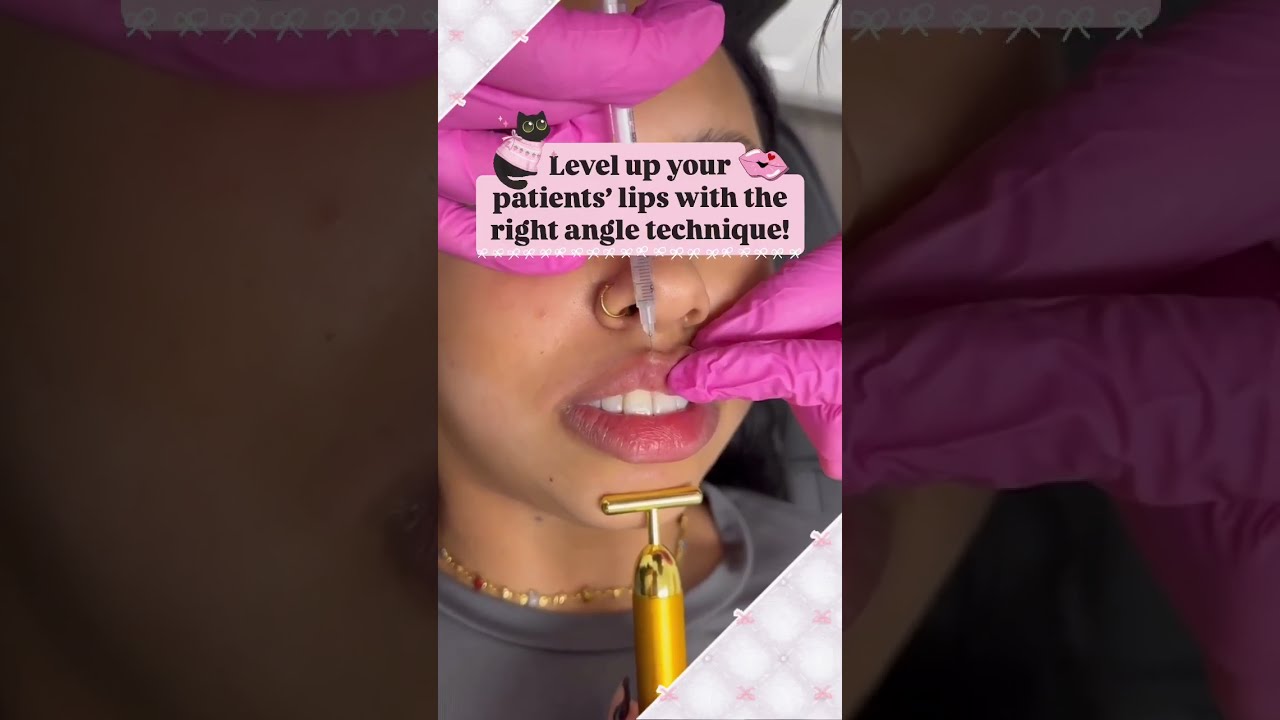
With a clear plan, the lip filler injections take 15 to 30 minutes after numbing. The lip fillers procedure involves tiny deposits placed strategically, then gentle molding to encourage even integration. You will see immediate swelling. I always remind patients that day one is a preview through a fogged window. It takes roughly two weeks to judge the final result.
This is also where aftercare, the unglamorous part, makes a difference. Skip gym workouts and saunas for 24 hours. Keep makeup off the injection sites until the next day. Sleep head elevated the first night. No facials or dental cleanings for a couple of weeks if you want to be strict. Check back with your provider if any area looks pale and painful or if pain increases suddenly. Most patients glide through recovery with predictable lip filler swelling and some lip filler bruising, which can be concealed with a bit of lipstick once the injection points close.
Navigating the many flavors of “natural”
Patients use the word natural to mean different things. For some, natural lip filler means only a hint of change, just enough to grab color better. For others, it means balanced but full, like their lips were five years ago. I ask patients to choose three words that describe their goal. “Defined, hydrated, soft” leads me to a different plan than “projected, bold, photo-ready.” Both can be natural within that person’s face. Natural does not equal minimal. It equals harmonious.
When you hear natural sounding promises from a clinic, make sure they explain how they keep results subtle. That includes product selection, precise borders, honoring the upper-to-lower lip ratio, and refusing to inflate corners in a way that distorts the smile.
Edge cases that deserve attention
- Thin or tight lips that roll inward at rest: We work with micro-aliquots along the vermilion border and avoid loading the central body early on. The goal is eversion, not bulk. Staged treatments give the tissue time to adapt. Healed scarring from piercings or splits: Scar tissue can block smooth gel distribution. Expect tiny adjustments and possibly more reliance on cannula techniques to reduce risk of traversing fragile vessels. Frequent cold sores: We pre-treat with antiviral medication. The trauma of injections can trigger an outbreak. With proactive dosing, the risk drops. Smiles that “tuck” the corners: Overfilling those corners makes the tuck worse. Using a flexible gel in the lateral third and addressing perioral muscle imbalance often works better than trying to pin the lip open with volume. Prior migration: If you see blurred borders and a faint shelf above the lip, dissolving is step one. Rebuilding requires patience, using softer gels placed deeper, and spacing appointments.
Results, maintenance, and when to stop
Most patients love their lip filler results at the two-week mark. The lip feels like part of them again rather than a foreign object. We typically revisit at three to six months for a check and at six to twelve months for lip filler maintenance depending on goals. Some patients choose temporary lip filler once for a life event and then let it fade. Others make it part of their yearly routine, the way you might schedule a haircut.
Know when to pause. If you find yourself chasing a fleeting high from swelling rather than appreciating balanced shape, step back. Ask your provider for honest feedback. A professional lip filler approach includes saying no when more would harm the aesthetic.
Choosing the right hands
Credentials matter. This is still a medical procedure, and lips are unforgiving to sloppy technique. Review the provider’s portfolio for diversity of outcomes. Seek a lip filler specialist comfortable discussing risks. Ask about the plan for lip filler recovery and what the clinic does if you need a small adjustment. Look for clean rooms, sealed packaging opened in front of you, and clear aftercare instructions in writing. The clinic’s small habits signal how they handle big events.
If you are doing a “lip filler near me” search, prioritize quality over proximity. A short commute is nice. A safe, thoughtful experience is non-negotiable.
Risks you should know, and how we mitigate them
Every injection carries risk. Common, manageable issues include swelling, bruising, tenderness, and temporary asymmetry while inflammation settles. Less common are lumps that need massage or small amounts of hyaluronidase. Rare but serious is vascular occlusion, where filler blocks blood flow. Recognizing signs early is critical: increasing pain, dusky color, livedo patterns on the skin, or blanching at the border. A prepared clinic treats immediately with hyaluronidase and supportive measures. Blindness is extraordinarily rare in lips compared to glabella or nose injections, but every injector should respect vascular anatomy and safe injection planes.
If you have a history of severe allergies, discuss it. While true HA allergies are rare, hyaluronidase is derived from animal or recombinant sources, and allergy screening may be warranted in specific cases. Disclose all medications, especially blood thinners. Consent should never feel like a formality. You need to understand both lip filler benefits and realistic lip filler risks and side effects.
What good value looks like
Real value is a result you enjoy without complications, delivered with care that makes you feel looked after. Patients sometimes compare clinics based on a single number on a website. The better comparison weighs lip fillers price against:
- The injector’s expertise and frequency of lip work Brand authenticity and appropriate product selection Time allocated for assessment, numbing, and careful injection Follow-up availability and willingness to fine-tune
If a clinic’s lip fillers cost includes a review appointment and minor adjustments, that often saves money and frustration over time. If your calendar allows, booking during a provider’s quieter hours can give you more unhurried attention without chasing a discount.
A sensible path forward
If you are curious but cautious, start small. Book a lip filler consultation with a reputable clinic. Bring reference photos of your own lips at a time you liked them, and one or two examples of others’ lips you admire. Expect an explanation of product choice, the lip filler procedure, expected downtime, and maintenance. Avoid same-day high-volume treatments unless you are confident and experienced. Give yourself two weeks before any key event. Treat it as a collaboration, not a transaction.
Lip enhancement injections should not shout from across the room. They should simply make your face look more like you on a good day. When the myths fall away, what remains are the facts of good medicine: understand the tissue, respect proportion, use the right tools, and keep the patient’s long-term outcome ahead of any short-term swell.